 By
By Sophia Bennett — Buying Guides Editor. Published 10 November 2026. Research-based: published data and NHTSA records; MY Car Reviews did not test, drive, inspect or own a Prius. See Review & Testing Methodology and Editorial Policy.
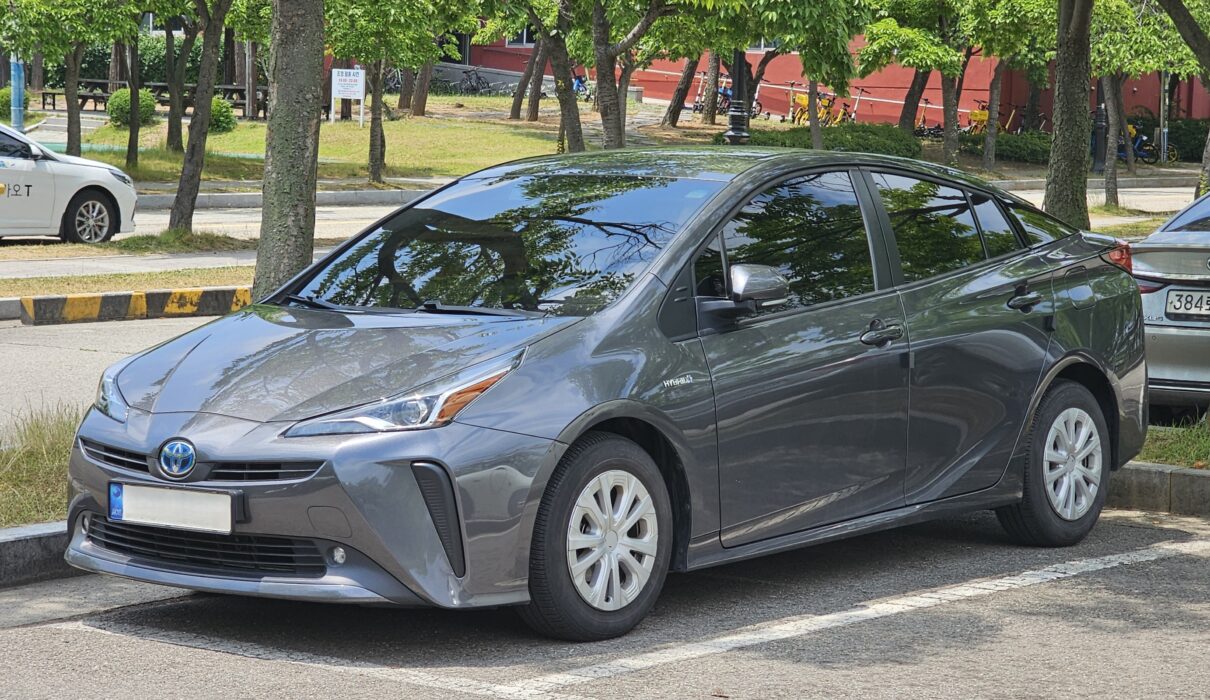
Toyota Prius reliability by year depends less on the hybrid badge than on which engine sits under it. The best years are 2017–2022, according to CarsCounsel and MotorRank Media, while the 2010–2012 cars carry a documented oil-burning and head-gasket problem.
Toyota Prius Reliability by Year: The Shortlist
The table gives a score only where a named source publishes one for that exact year; complaint counts are not failure rates.
| Year | Published record | Verdict |
|---|---|---|
| 2013 | Best older choice; EGR risk disputed | Good, with checks |
| 2014 | Piston/ring redesign during 2014; EGR risk disputed | Good, with checks |
| 2015 | Last 3rd gen; EGR/oil risk disputed; J.D. Power not rated | Good, with checks |
| 2016 | First 4th gen; windshield complaints | Good, with inspection |
| 2017 | Best band begins | Strong buy |
| 2018 | Best band | Strong buy |
| 2019 | Best band | Strong buy |
| 2020 | 81/100 J.D. Power | Strong buy |
| 2021 | 85/100 J.D. Power | Strong buy |
| 2022 | 84/100 J.D. Power | Strong buy |
| 2023 | 5th-gen debut; J.D. Power not rated | Too new to judge |
| 2024 | Too new for a long record | Too new to judge |
| 2025 | Too new for a long record | Too new to score |
Sources disagree on 2013–2015: CarsCounsel calls it the best older choice, but Peterson Auto and MotorRank Media say the engine risk runs through about 2015. This guide follows the stricter side: 2013–2015 only with EGR and oil checks.
The Hybrid Battery, Explained: Life, Warning Signs, and Cost
The battery is the question every used-Prius buyer asks first, and the sources agree it is usually the wrong fear. Peterson Auto: packs often last 150,000 to 200,000 miles. AAA, cited by Peterson Auto, says to safely expect 100,000 to 150,000 miles, most probably good for up to 200,000. Typical pack life is 10 to 15 years, and age predicts failure better than mileage. No source here gives a single failure-rate percentage for the Prius battery.
Warning signs, per Peterson Auto: sagging MPG, a jumping battery gauge, the engine running more often, a loud cooling fan, and a P0A80 warning — though a clogged cooling fan can set the same code (Toyota bulletin T-SB-0074-20).
Replacement costs (Peterson Auto, 2026): remanufactured pack at an independent hybrid shop, about $1,500–$2,500; new aftermarket pack, about $2,300–$2,600 installed; new Toyota pack at a dealer, about $3,500–$5,000 or more. Have a hybrid shop read the block voltages under load first.
Battery Warranty by Model Year — What Is Still Covered
Warranty is where the model year matters most, because the coverage changed in 2020. Peterson Auto’s table, checked against Toyota’s press figures, is:
| Model years | Hybrid battery warranty | Status in late 2026 |
|---|---|---|
| 2004–2019 | 8 years or 100,000 miles | Expired |
| 2020 and newer | 10 years or 150,000 miles | Many 2020–2022 cars still covered |
Toyota’s 10-year, 150,000-mile cover runs from first in-service date, not model year, and covers later owners; a dealer can look it up by VIN. It covers only the battery, so the inverter and control modules stay at 8 years or 100,000 miles. That makes a 2020–2022 Prius the only used Prius with meaningful factory battery cover left. Our Best Used Hybrid SUVs guide uses the same warranty logic for hybrid SUVs.
Best Prius Years to Buy Used, by Budget
The consensus best band is 2017–2022, the later fourth generation. CarsCounsel calls 2017–2022 the best choice, “mature 4th gen, excellent reliability”, and MotorRank Media agrees, naming 2017–2022 and well-maintained second-generation cars (2004–2009) as the best years. Peterson Auto calls 2016–2022 the best balance of price and risk, but MotorRank Media notes extra 2016 complaints.
For a tight budget, 2013–2015 is the pick — with the disagreement above attached. CarsCounsel names it the best budget option. Kelley Blue Book figures via Peterson Auto: third generation about $8,000–$12,500, fourth generation about $15,000–$23,000, second generation about $4,000–$7,000. A second-generation car (2004–2009) is the cheapest route in — but it is 17 to 22 years old and all extended coverage has expired. The Prius also appears in our Best Used Cars to Buy guide.
Prius Years With the Highest Engine Risk
The years to avoid are 2010–2012, the early third generation. CarsCounsel says to avoid them “due to severe excessive oil consumption and head gasket failures”, and MotorRank Media reports that CarComplaints logs the most complaints against the 2010 (326) and the 2011 (117), rating 2011 the worst model year overall. The 2001–2003 first-generation cars are also an avoid: over two decades old, with obsolete hybrid parts.
The risk does not stop at 2012: Peterson Auto extends the window to 2010–2015, and MotorRank Media says the same 1.8-litre engine carries the failures through about 2015. One offset: Toyota’s program 23TE02 covers inverter failures on the 2010–2015 Prius for 20 years from first in-service date, with no mileage limit, per Peterson Auto.
The 1.8L Problem: Oil Burning, EGR Clogging, and Head Gaskets
The problem engine is Toyota’s 1.8-litre 2ZR-FXE Atkinson-cycle four-cylinder, fitted to the 2010–2015 Prius. First, the EGR system: exhaust routed back into the intake carries carbon that builds up. Toyota bulletins T-SB-0027-16 (sticking EGR valve, code P0401) and T-SB-0116-15 (clogged intake ports, misfire codes P0300–P0304) document it. Toyota has never linked EGR clogging to head-gasket failure, according to Peterson Auto, but independent specialists widely believe a clogged EGR circuit sets the engine up for one.
Second, oil consumption. Toyota’s T-SB-0168-16 acknowledges that some 2010–2014 Prius engines built before a production change during the 2014 model year burn oil, and Toyota redesigned the pistons and rings to fix it. MotorRank Media puts the typical repair at about $1,900 on a 2010 and about $3,000 on a 2011. Third, the head gasket: RepairPal, cited by Peterson Auto, puts a replacement at about $2,880 to $4,135. An EGR valve replacement is far cheaper (RepairPal: $642–$922), so a documented EGR service is one of the best things in a third-generation car’s records.
The fourth generation resolved the pattern — Consumer Reports rates it the most reliable Prius generation, per MotorRank Media. Check the wire-harness recall (18V-579) and the inverter recalls (14V-053, 18V-684, 20V-369) by VIN.
Real-World MPG by Generation — What Owners Actually Get
Fuel economy is the Prius’s calling card, and the figures climb by generation. Peterson Auto’s table (fueleconomy.gov ratings): second generation 46 mpg combined, third generation 48–50, fourth generation 52, Eco trim 56, AWD-e 49–50. The fifth generation (2023 onward) is rated 57 mpg combined for the LE and 52 for the XLE and Limited (Peterson Auto). Trim moves the number by several mpg; these are EPA laboratory ratings. Consumer Reports measured 52 mpg overall in the 2022 Prius.
Taxi and Rideshare Proof: How Priuses Reach 200,000–300,000 Miles
TopSpeed reports 300,000-mile third-generation Priuses are “so prevalent now that they hardly stand out”, and taxi fleets, delivery jobs and rideshares have run them for years with minimal severe problems. iSeeCars’ 2025 study, cited by MotorRank Media, gives the Prius a 12.2% chance of reaching 250,000 miles or more, 2.5 times the 4.8% overall average. RepairPal rates the Prius 4.0 out of 5.0, 10th of 24 midsize cars, with an average annual repair cost of about $408, against $526 for the average midsize car (MotorRank Media). Treat 200,000 miles as a reasonable expectation and 300,000 as possible, not typical.
Prius vs Corolla Hybrid: Which Toyota Hybrid Fits Which Buyer
CarBuzz’s 2026 comparison of the two new cars puts the Prius LE at $28,550 against the Corolla Hybrid LE at $24,775 — a $3,775 gap — with the Prius making 194 horsepower from its 2.0-litre hybrid against 138 from the Corolla Hybrid’s 1.8-litre, and rated at up to 57 mpg combined against 50. Those are 2026 new-car figures, not used-car prices. The Prius is a hatchback; the Corolla Hybrid is a cheaper sedan. The Prius has the longer record, according to The Unexplored Road. Buy the Corolla Hybrid for the lowest entry price; buy the Prius for the best fuel economy, the hatchback body and the longest hybrid track record. See also our Toyota Camry Reliability by Year and Honda Civic Reliability by Year guides.
What to Inspect on Any Used Prius Before You Pay
See our Used Car Buying Guide for the full checklist. For a Prius, add these hybrid-specific checks:
- Battery block voltages under load, read by a hybrid shop: no more than 0.3 volts of difference between blocks. A generic code scan is not enough.
- Battery cooling fan and filter: ask whether the fan has been cleaned.
- Oil level and consumption history on 2010–2015 cars: check the dipstick cold and ask for service records.
- EGR service history on 2010–2015 cars: a documented clean of the valve, cooler and intake ports.
- Coolant level on 2010–2015 cars: a level that keeps dropping, or bubbles in the reservoir, points at the head gasket.
- Recalls: search the VIN at NHTSA and confirm every campaign was completed, including the inverter, wire-harness and rear-door (26V049) recalls.
- Battery warranty on 2020–2022 cars: confirm the in-service date by VIN.
Prius Reliability Questions Buyers Ask Most
Is a 2013–2015 Prius a safe budget buy?
Yes, with checks: demand an EGR service record and get the battery blocks read.
How long will a Prius battery actually last?
Most packs last 150,000 to 200,000 miles (Peterson Auto); AAA says to safely expect 100,000 to 150,000. Age matters as much as miles.
Should I avoid every 2010–2012 Prius?
As a blind buy, yes — CarComplaints rates 2011 the worst Prius year overall. Consider one only with full records, a clean EGR circuit and a price that leaves room for a head-gasket job.
Does the Prius really reach 300,000 miles?
Some do — TopSpeed reports 300,000-mile third-generation cars are common enough to hardly stand out. Treat 200,000 miles as the reasonable expectation.
Is the fifth-generation Prius (2023+) reliable?
Too early to judge: early data is strong, but long-term durability is unproven. Buy it for warranty and fuel economy, not for a reliability score.
Sources
- Peterson Auto: Used Prius Buying Guide: Years to Avoid and Battery Costs
- CarsCounsel: Best and Worst Toyota Prius Years
- MotorRank Media: Toyota Prius Reliability: Common Problems, Best Years & Repair Risk
- TopSpeed: This Toyota Hybrid Regularly Hits 300,000 Miles With Almost No Repairs
- iSeeCars: 2013 vs. 2014 Prius comparison; 2025 Longest-Lasting Cars study
- RepairPal: Toyota Prius Reliability Rating
- J.D. Power: Prius Quality & Reliability scores by year (via MotorRank Media)
- NHTSA: Recalls 14V-053, 18V-684, 20V-369, 18V-579, 26V049
- Consumer Reports: 2022 Prius overview; 2002 Prius long-term test (via Peterson Auto)
- AAA: Hybrid battery life guidance (via Peterson Auto)
- Carfax: Hybrid battery replacement costs (via MotorRank Media)
- CarComplaints: Toyota Prius complaints by year (via MotorRank Media)
- CarBuzz: Toyota Prius vs. Toyota Corolla Hybrid (2026 comparison)
- The Unexplored Road: Corolla Hybrid vs. Prius Compared
- fueleconomy.gov: EPA fuel economy ratings by year (via Peterson Auto)
- Kelley Blue Book: Used Prius price ranges, October 2026 (via Peterson Auto)
Author: Sophia Bennett — Buying Guides Editor, MY Car Reviews. Research-based. See Review & Testing Methodology and Editorial Policy. Internal links: Best Used Hybrid SUVs, Used Car Buying Guide, Best Used Cars to Buy, Toyota Camry Reliability by Year, Honda Civic Reliability by Year.